


How Everyday Life Influences Great Art
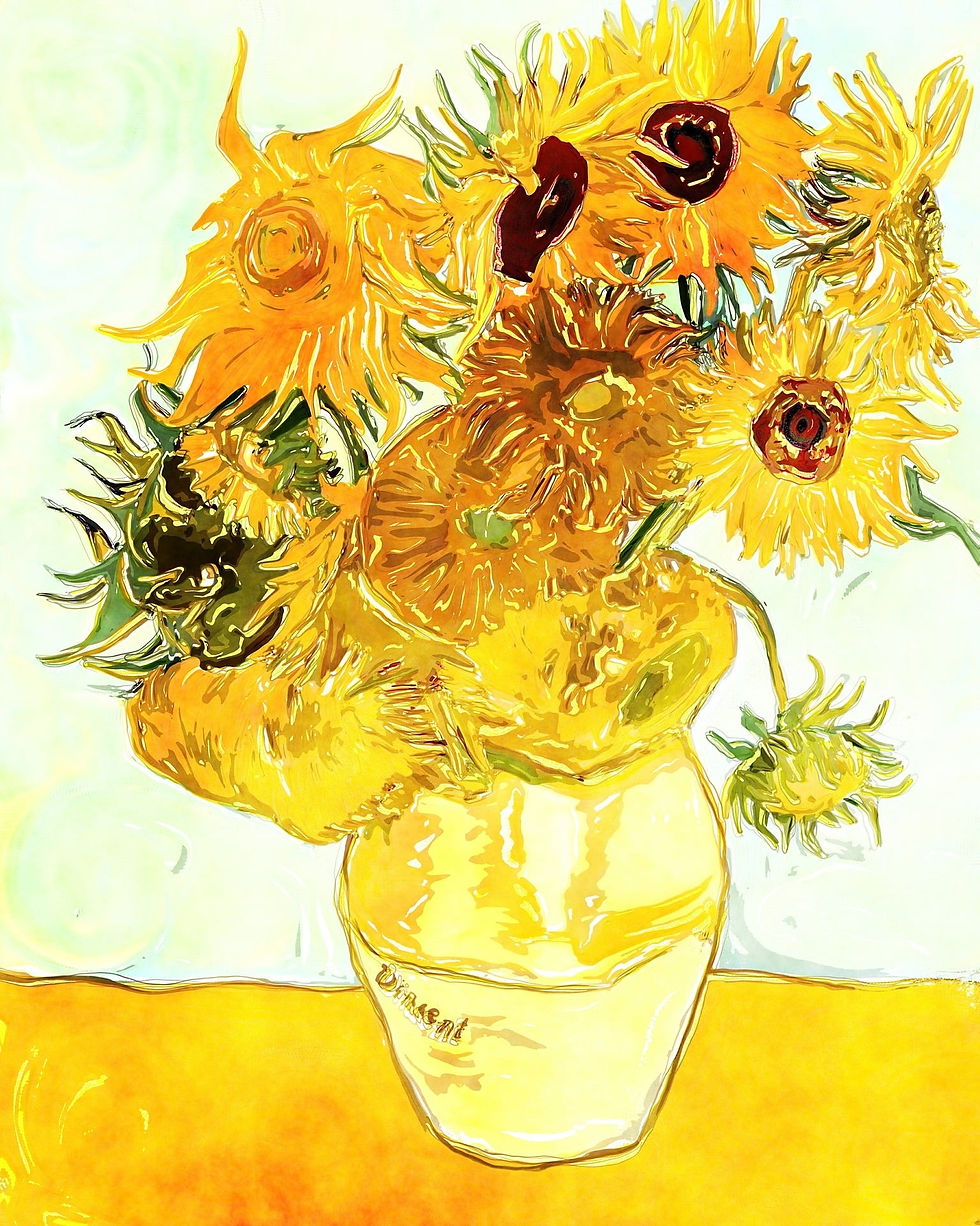
Have you ever looked at an ordinary scene and suddenly noticed something beautiful about it? Perhaps it was the morning sunlight streaming through a window, the colours of flowers in a garden or the lively atmosphere of a local market. For artists, these everyday moments can provide the inspiration for extraordinary works of art.
Throughout history, some of the world's most celebrated artists have discovered that inspiration does not have to come from grand events or exotic locations. Sometimes, the most compelling subjects are right in front of us.
French Impressionist Claude Monet understood the importance of looking closely at the world around him. Rather than concentrating on historical events or formal portraits, Monet frequently painted gardens, rivers and landscapes, capturing the changing effects of light and weather.
His famous water lily paintings demonstrate how a familiar garden pond could become an endless source of inspiration. By observing the same subject under different conditions, Monet revealed subtle variations in colour, atmosphere and reflection.
His work encourages us to look again at familiar surroundings. What might appear unremarkable at first glance can become fascinating when viewed from a different perspective.
People going about their daily lives have also provided artists with remarkable inspiration. Dutch painter Johannes Vermeer, for example, frequently depicted domestic scenes, including women reading letters, preparing food or carrying out household tasks.
His painting The Milkmaid transforms a simple kitchen activity into a beautifully composed image. Through careful attention to light, colour and detail, Vermeer creates a scene that feels both intimate and timeless.
These paintings remind us that ordinary people and everyday routines can tell powerful stories about how we live.
For some artists, everyday objects and familiar surroundings become a way of expressing deeper emotions. Vincent van Gogh painted sunflowers, chairs, bedrooms and landscapes, but his work went far beyond simply recording what he saw.
His distinctive brushwork and expressive use of colour gave these subjects an unmistakably personal character. The result was art that communicated feelings as much as appearances.
One of the great strengths of art is how it allows us to see the world through another person's eyes.
You do not need to visit a famous gallery or travel to a distant country to discover artistic inspiration. A walk through your neighbourhood, a visit to the countryside or even the view from your window might reveal something worth remembering.
The next time you encounter a painting, consider the everyday experiences that might have inspired it. You may discover that its beauty lies not simply in what it depicts, but in the story behind it.
Great art often begins with an ordinary moment — and an artist who sees something extraordinary in it.


Comments