


Five Artists Who Changed the Course of Art History
Art history is not shaped solely by gradual evolution; at pivotal moments, certain individuals redefine what art can be. The following five artists are widely regarded as having altered the course of art history, influencing both their contemporaries and future generations.
Leonardo da Vinci stands as a central figure of the Renaissance, combining artistic brilliance with scientific curiosity. His works, including Mona Lisa and The Last Supper, demonstrate an extraordinary command of anatomy, light and perspective. Crucially, he elevated the role of the artist from skilled artisan to intellectual, shaping how art was perceived across Europe.
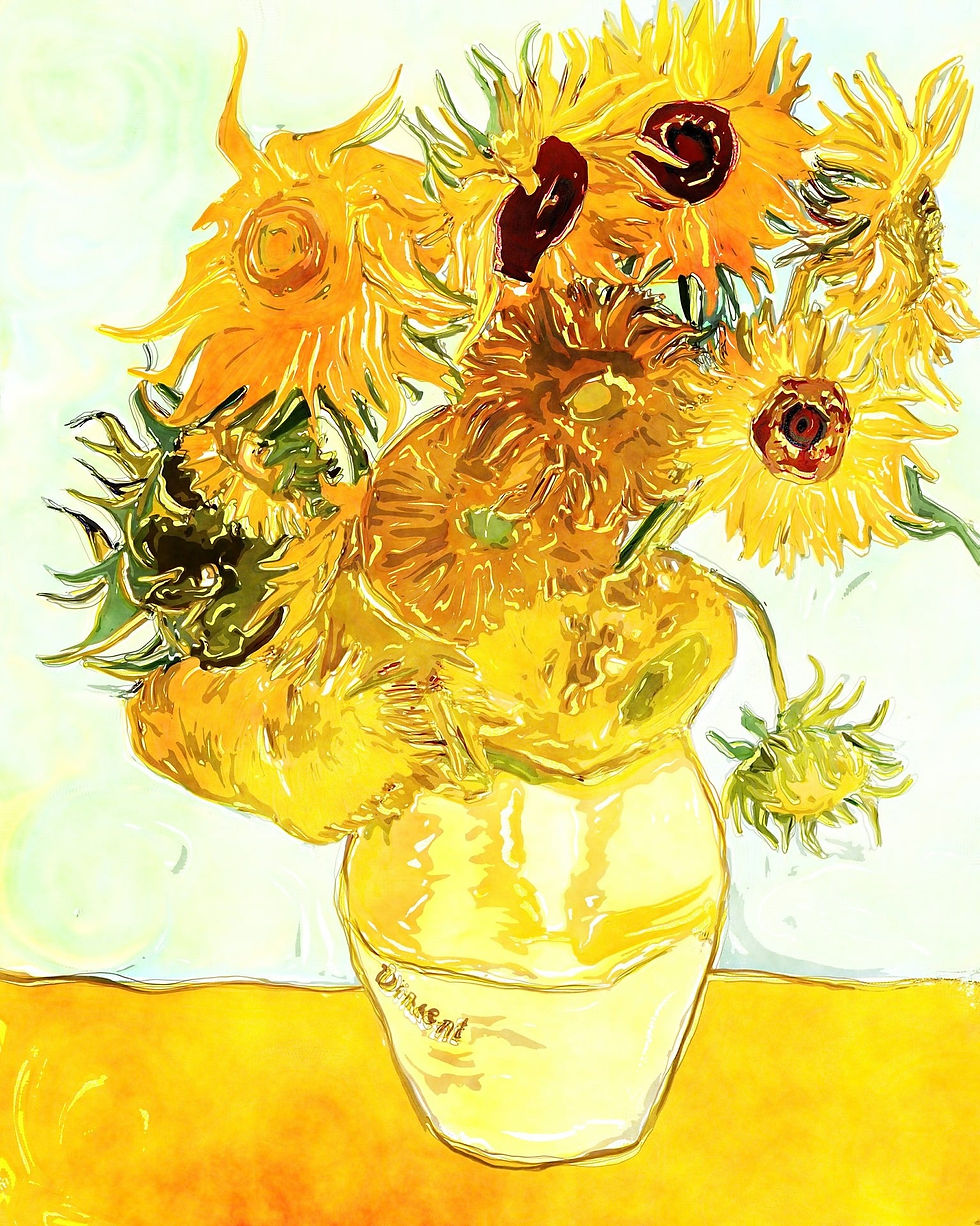
In the nineteenth century, Vincent van Gogh redefined the emotional potential of painting. His expressive brushwork and bold use of colour, particularly in Starry Night, moved beyond realism to convey inner experience. Although largely unrecognised during his lifetime, his influence proved foundational for modern art movements that prioritise expression over representation.
Pablo Picasso fundamentally changed visual language in the early twentieth century. As a pioneer of Cubism, he fragmented form and perspective, encouraging viewers to consider multiple viewpoints simultaneously. His groundbreaking work Les Demoiselles d'Avignon marked a decisive departure from traditional techniques and opened new pathways for abstraction.
Equally significant was Marcel Duchamp, who challenged the very definition of art itself. Through the concept of the “readymade”, exemplified by Fountain, he proposed that the artist’s idea could hold greater importance than craftsmanship. This shift had a lasting impact on conceptual art and continues to shape contemporary practice.
Finally, Andy Warhol reimagined the relationship between art and popular culture. His iconic works, such as Campbell's Soup Cans, embraced mass production and consumer imagery, challenging traditional ideas of originality and value. Warhol’s approach remains highly relevant in today’s media-driven world.
Collectively, these artists did more than produce notable works; they reshaped artistic thinking. Their willingness to question convention and explore new ideas continues to influence how art is created, interpreted and appreciated today.



Comments